
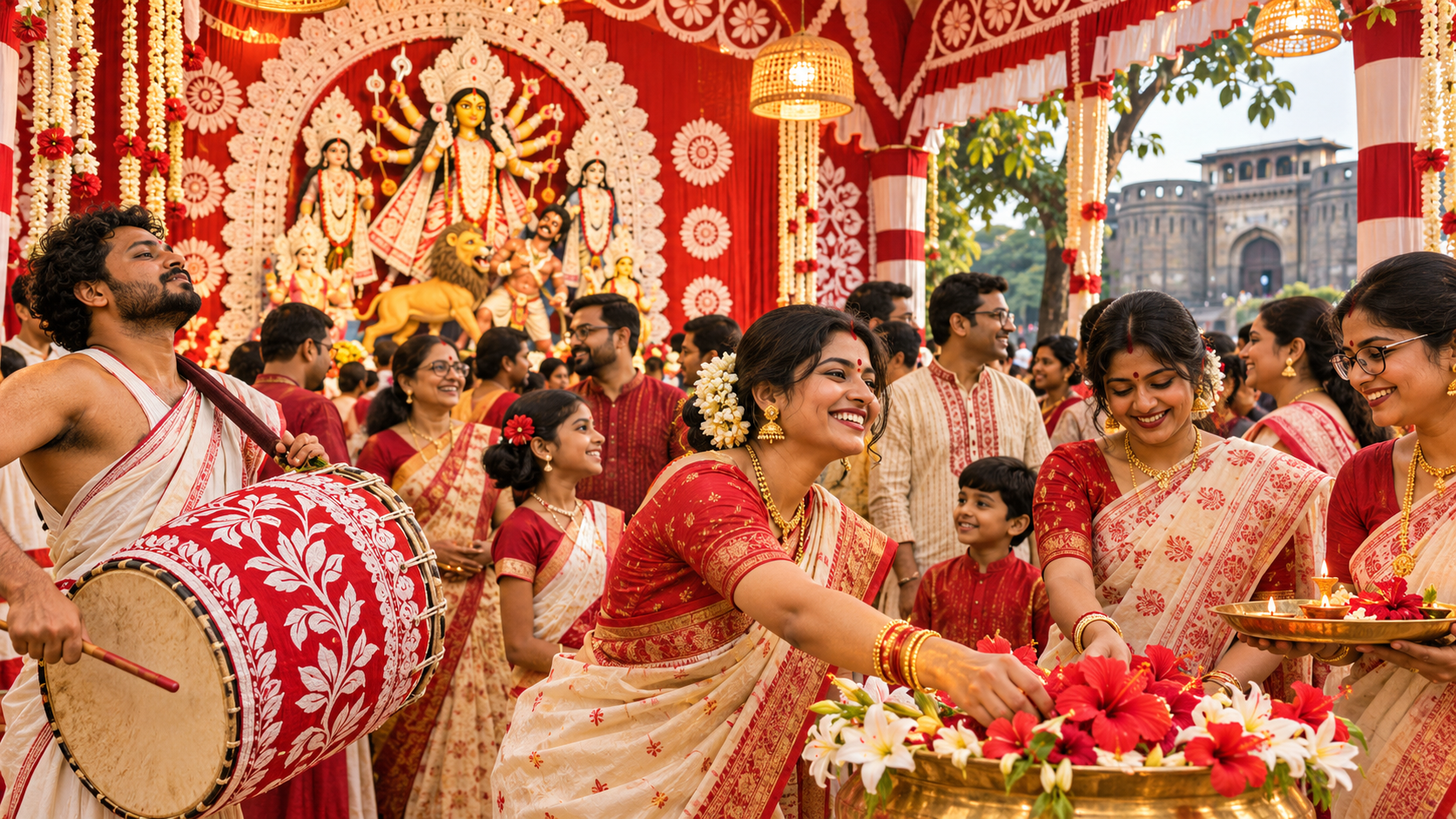
How to find a Bengali purohit in Pune for a home puja or family ceremony
Preparing for a puja away from the place where you grew up can bring up a surprisingly long list of practical details. You may know the ritual by its family name, but be unsure about the items to arrange, the time needed or whom to contact in Pune. Finding a Bengali purohit who understands your preferred customs can make the preparation feel less overwhelming.
Our directory brings together Bengali purohit listings from different parts of Pune. It gives families a starting point for making contact, comparing practical details and explaining what they need. Ritual practices vary between families and traditions, so the most useful next step is always a direct conversation with the purohit.
Begin with the occasion
Write down the name of the ceremony and what your family expects from it. You may be arranging a griha pravesh, Saraswati Puja, Lakshmi Puja, a wedding ritual or another family observance. If there is a particular custom followed in your household, mention it at the beginning. Two ceremonies with the same name may differ in sequence, materials and duration.
It helps to share the date, the neighbourhood and whether the puja will be held at home or in a venue. Explain approximately how many people will take part and whether the family would prefer instructions in Bengali or another language. If you are uncertain about the proper name of a ritual, describe what your family usually does. A clear description is more useful than trying to use unfamiliar terms perfectly.
Discuss dates and timing early
If your family follows a particular panjika or tradition, tell the purohit before fixing the time. Some ceremonies are planned around a preferred date or auspicious period, while others must fit practical constraints such as a venue booking or guests travelling from another city. Discuss those constraints openly and confirm the final arrangement with the person conducting the ceremony.
Pune is a large city, and travel time can change considerably across neighbourhoods. Ask whether the purohit visits your area and how much time to allow for arrival and preparation. If you live in an apartment complex, provide the building name, gate information and any rules for visitors. On the day, share a number for someone who can answer the phone and help with directions.
Ask for a list of puja materials
A shopping list can be the difference between a calm morning and a last-minute search. Ask the purohit which items are essential, which are optional and whether they will bring any materials. Common requirements vary by ceremony and household. Rather than relying on a generic list found online, confirm quantities and substitutes for your particular puja.
If you have difficulty finding a particular flower, leaf, fruit or other item in Pune, say so in advance. The purohit may be able to suggest an appropriate alternative within your family's practice. Check local grocery and vegetable listings as well, and call the shop before travelling because seasonal stock can change.
Agree on the practical details
Ask how long the ceremony is expected to take, what space is needed and how the family should prepare the room. If a fire is part of the ritual, check the venue's rules and discuss a safe arrangement with the purohit. Apartment buildings and event spaces can have different policies, so it is better to resolve this before the day.
Discuss fees respectfully and clearly. Confirm what the quoted amount covers, whether travel or materials are extra, how payment should be made and what happens if the date changes. Put the agreed details in a message. This is helpful to both the family and the purohit, especially during busy festival periods.
Make space for your family's customs
A puja can hold memories of parents, grandparents and the places where a family once lived. Tell the purohit if there is a customary offering, a particular sequence or a family member who should take part. At the same time, be open about what you do not know. A patient explanation can help children and relatives feel included in the ceremony rather than simply watching from the side.
If family members will join by video call, plan a place for the device that does not interrupt the ritual. If an older relative has difficulty sitting on the floor, ask how they can participate comfortably. Small arrangements like these help the day feel welcoming without changing what matters to the family.
Use the directory as a starting point
Browse the Bengali purohit listings by area and contact the people who appear to meet your needs. Details can change, so verify availability, services, fees and location directly. An entry in the directory is not a guarantee of a booking, and the absence of a review does not tell you whether a service will be suitable.
Once everything is agreed, send a short confirmation with the date, address, start time and materials each side will provide. Keep the puja list handy and leave some time before guests arrive. The aim is not to make every detail perfect. It is to give your family room to observe the occasion together, with the guidance and practical support you need.
In pictures
Illustrative images

Community comments 0
No comments yet.
Leave a comment
Comments are reviewed before they appear.