
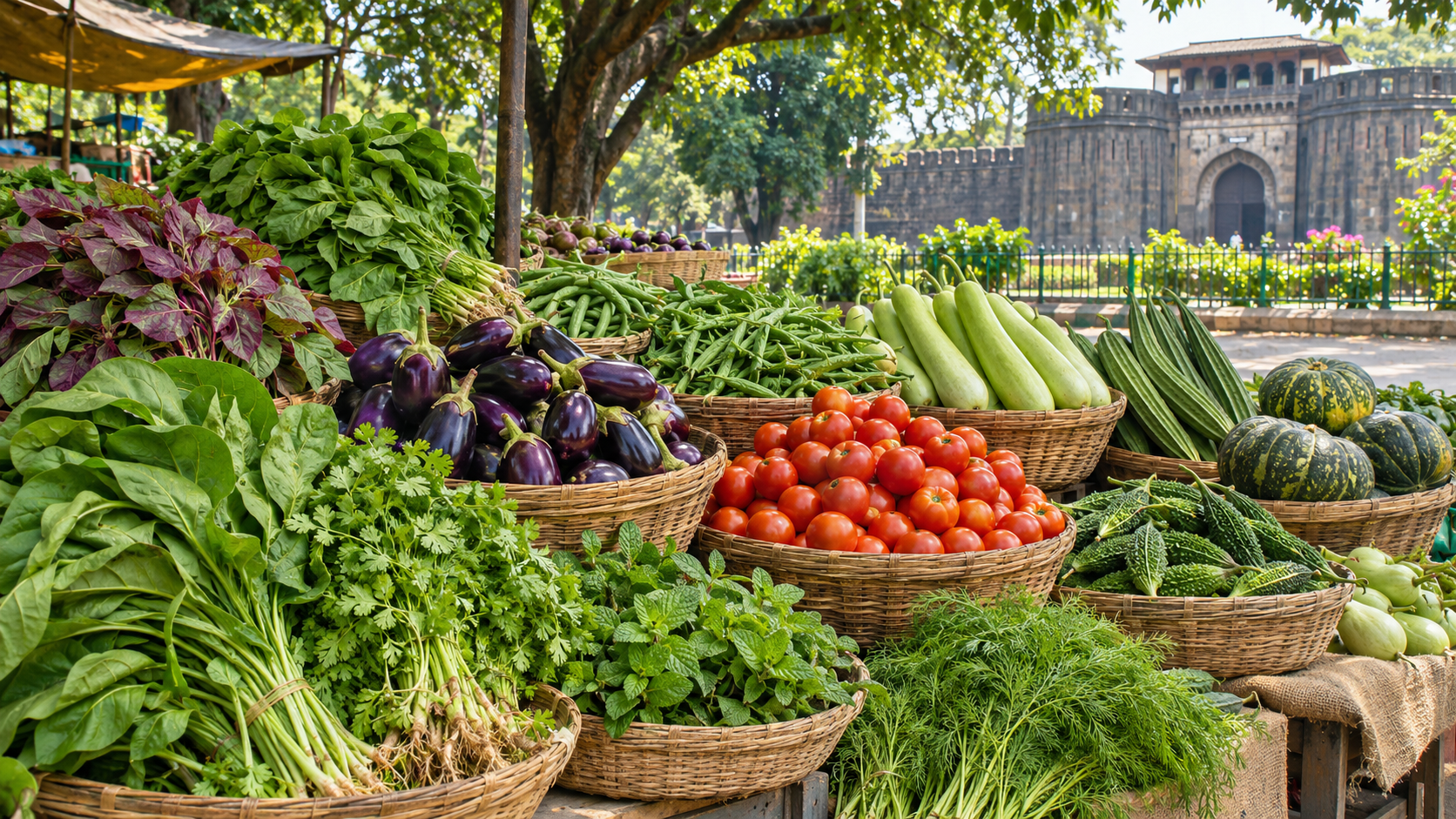
Finding Bengali vegetables in Pune: a guide to seasonal shopping
A familiar vegetable can shape an entire meal. A handful of greens might become a quick shaak, a gourd can be the centre of a light curry, and a few seasonal ingredients can bring back the flavour of a family kitchen. In Pune, finding those ingredients may mean trying a neighbourhood market, a specialist shop or a seller recommended by another Bengali family.
Our vegetable directory brings some of those options into one place. It is designed to help you find shops and sellers, check the areas they serve and contact them directly. Since produce is seasonal and deliveries vary, a listing should be the beginning of your search rather than a promise that every item will be available on a particular day.
Make a list that leaves room for the season
Start with the meals you want to cook over the next few days. Write down the vegetables you need and the approximate quantities. Then make a second list of ingredients that could work as substitutes. A seller may not have the exact variety you remember from home, but there may be a fresh alternative that suits the recipe.
Bengali cooking uses a wide range of greens, gourds, roots and seasonal vegetables. Names can vary from market to market. If you know an ingredient by its Bengali name, describe its appearance or share another name you know. A photograph on your phone can help when a seller uses a different local term. Ask what is fresh that day and how it is commonly used.
Call before making a long trip
Pune has vegetable sellers in many neighbourhoods, including areas such as Pashan, Nanded City, Kondhwa and Lohgaon. The best place for your household depends on where you live, how you travel and what you need. A shop that is convenient for a weekly visit may be different from one you call for a particular festival ingredient.
Before setting out, check the address and opening hours with the seller. Ask whether the vegetable you want is in stock, the approximate price and whether they can keep it aside. If delivery is offered, confirm the delivery area, charge and minimum order. Stock can change quickly, so a morning phone call is often more reliable than an old message in a group.
Choose produce for your cooking schedule
Look at the condition of the vegetables and buy quantities that you can use. Some greens are best cooked soon after purchase, while other produce keeps longer when stored appropriately. Ask the seller for advice if you are unfamiliar with an ingredient. At home, sort what needs to be used first and plan your meals around it.
For a family event or puja, ask about bulk quantities well in advance. Confirm when the produce will be ready and who will collect it. If several households are contributing ingredients, agree on the quantities so that everyone does not buy the same thing. A shared list can prevent waste and reduce the number of last-minute shopping trips.
Pair fresh produce with pantry staples
A useful Bengali kitchen does not need every ingredient at once. Rice, lentils, mustard oil and a small selection of spices can form the base of many meals, while seasonal vegetables provide variety. Check the grocery listings for pantry items and the vegetable section for fresh produce. Some shops may stock both, but call to confirm rather than assuming.
When a recipe calls for a variety you cannot find, consider the texture and cooking time of a substitute. A tender green will cook differently from a firm gourd. Ask a family member or the seller for suggestions, and adjust the preparation as needed. The point is to make a meal that works with what you have, not to treat a recipe as a test you can fail.
Shop with a community mindset
Local sellers often get to know what their customers ask for. A polite conversation about an ingredient may help a shop understand demand, even if it cannot stock the item immediately. If you are ordering a large amount, be realistic about the lead time and check the price before confirming. Tell the seller promptly if your plans change.
When sharing a recommendation with friends, include useful details such as the area, the date of your visit and what you found. Avoid promising that the same stock or price will be available next week. You can also leave an honest review on the directory so other shoppers can make an informed choice.
Keep your information current
Our vegetable listings are a guide to making contact. Addresses, availability and delivery arrangements can change, and each seller manages their own stock. If you notice outdated information, contact the website team. If you run a vegetable shop that serves the Bengali community in Pune, use the registration option to tell us about your business.
Browse the vegetable directory, speak with the seller and plan around the season. Sometimes the best meal begins with a list. At other times it begins with seeing a fresh vegetable at the market and deciding what to cook when you get home.
In pictures
Illustrative images
Community comments 0
No comments yet.
Leave a comment
Comments are reviewed before they appear.